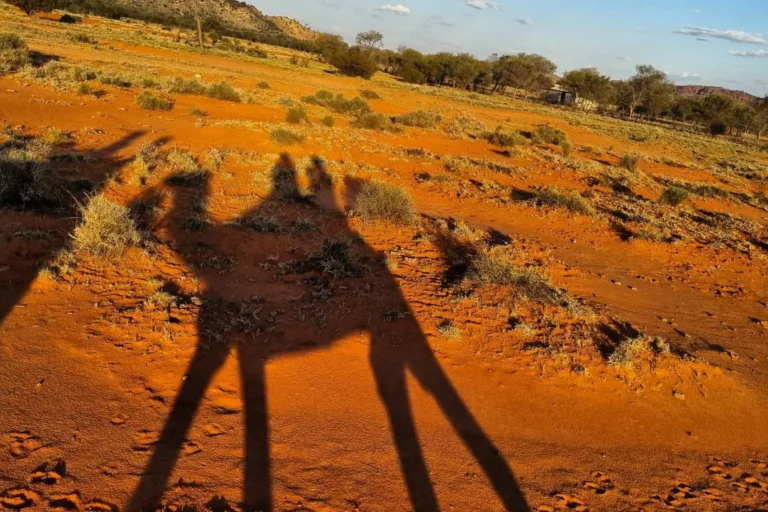
The Red Centre of Australia is known for its big desert landscapes, big rock formations and rich Indigenous culture. Unlike the four seasons we are used to, the Red Centre has its own unique seasonal pattern based on the knowledge of the Arrernte people, the Traditional Owners of the land. Instead of summer, autumn, winter and spring, the Red Centre has five seasons. Knowing these seasons will help you plan your Uluru Trip for the best possible experience based on daily temperatures and habitats. The desert climate means temperatures can vary greatly between seasons so it’s important to choose the right time to visit.
Contents
1. Uterne – Hot Season (December to February)
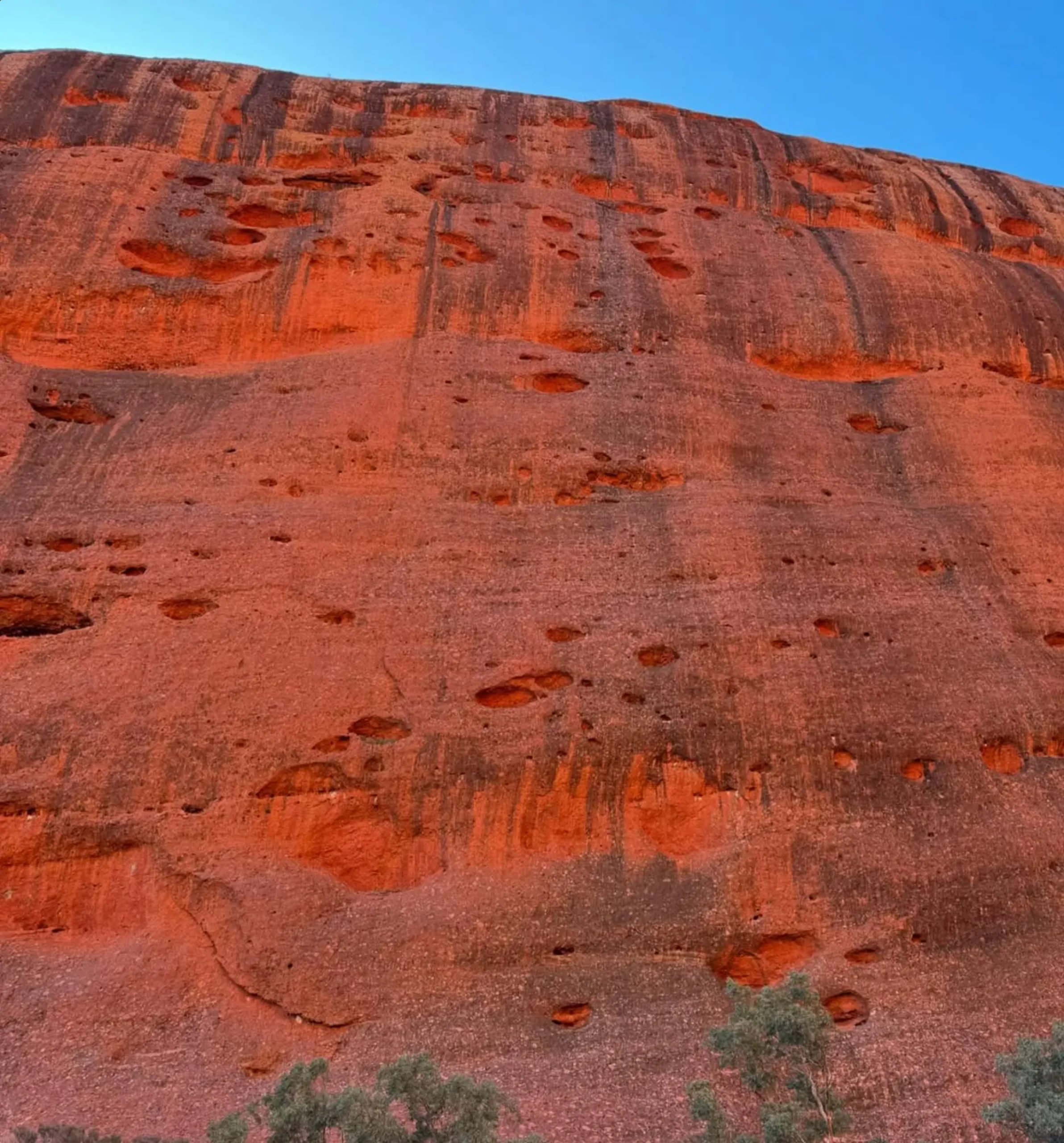
This is the middle of summer when temperatures often hit 40°C (104°F). The heat is intense, no rain and dry conditions rule the land. These are the hottest months of the year and the desert climate can be tough for visitors. Despite the sun beating down, this season has great sunsets and clear nights for stargazing. The maximum temperature of the summer months makes outdoor activities during the day difficult. Tourists must take precautions like carrying plenty of water, wearing sun protection and doing activities early morning or late evening when the day time temperatures are lower.
2. Alhwerrpa – Rainy Season (March)
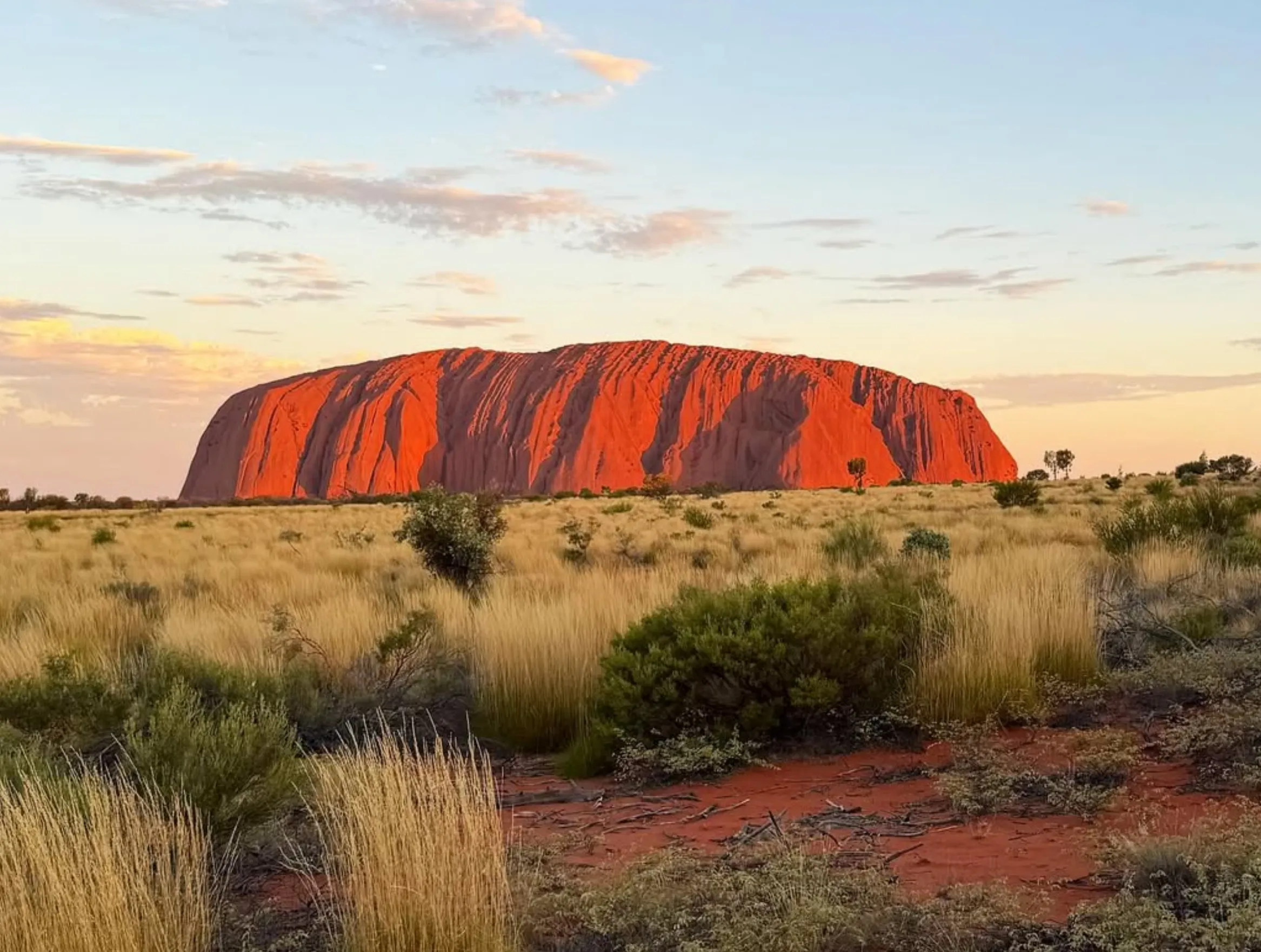
Although short, this wet season brings sudden and heavy rain, turning the dry landscape into a green one. Waterholes fill up and the desert blooms with wildflowers. Food plants flower during this time and it’s an important food source for wildlife. This is a great time for photography and seeing the Red Centre come to life. Heavy rain can also change the look of iconic sites like Uluru and Kata Tjuta. If you want to see the landscape transform before your eyes, take advantage of this short but sweet season.
3. Urrepentye – Cool Season (April to July)
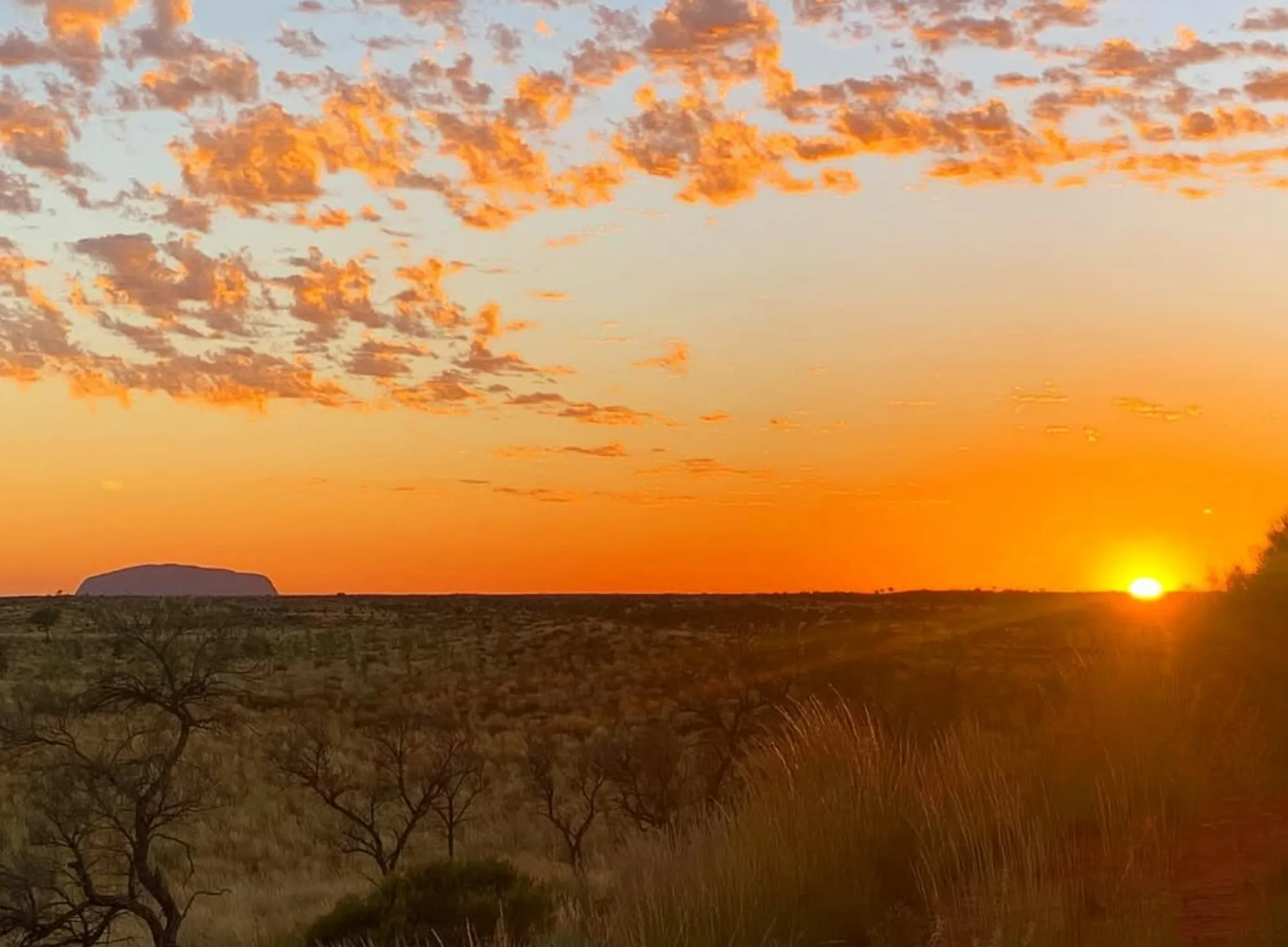
Temperatures drop significantly during this season, especially at night when it can get below zero. Daytime temperatures are pleasant, 20-25°C (68-77°F) and perfect for hiking around Uluru, Kata Tjuta and Kings Canyon. These cooler months are comfortable and the desert climate is at its most visitor friendly. Monthly temperatures during this period fluctuate but are much lower than in the summer months. The dry season rules so it’s the best time to see the natural habitats without the heat of the warmer months.
4. Alhwerrpa – Windy Season (August)
In August the winds blow across the desert, shaping the dunes and blowing dust everywhere. The cool air is a relief from the heat and the winds create amazing patterns in the sand and give you a new perspective on the landscape. Daytime temperatures are moderate so another good time to visit if you prefer milder conditions. Also, it is a good time for birdwatching and to see how the native wildlife adapts to the changing desert.
5. Werlpere – Hot and Windy Season (September to November)
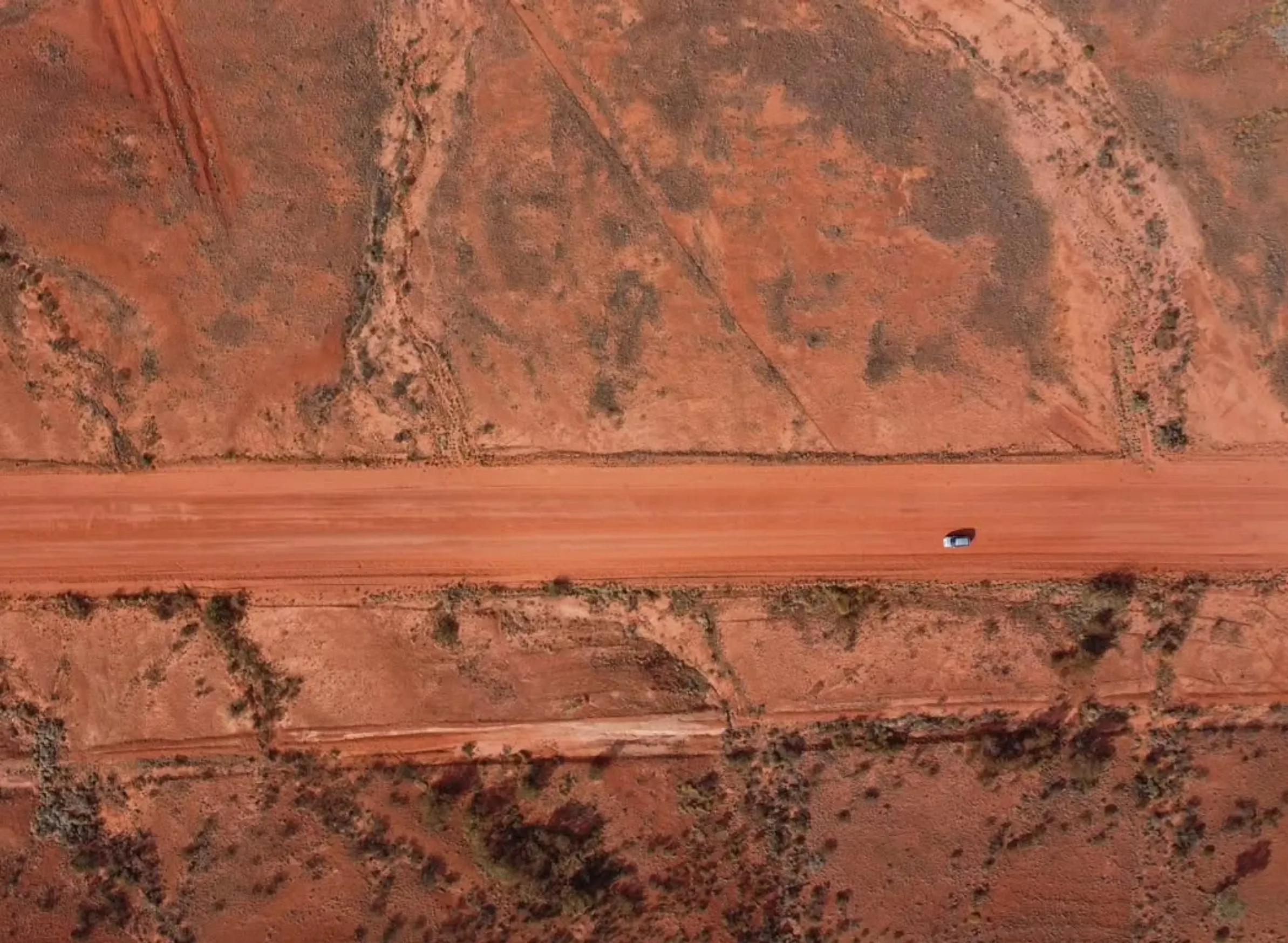
The in-between season, hot and cool, is when the temperatures rise, and the winds are persistent. Dry season conditions make it a good time to see the desert colours, especially at sunrise and sunset when the landscape glows red and orange. Temperatures start to climb again, the start of the hot months. Travellers should prepare for hot weather but can enjoy the shifting sands and beautiful contrasts of the desert.
Nearby Destinations and Tours
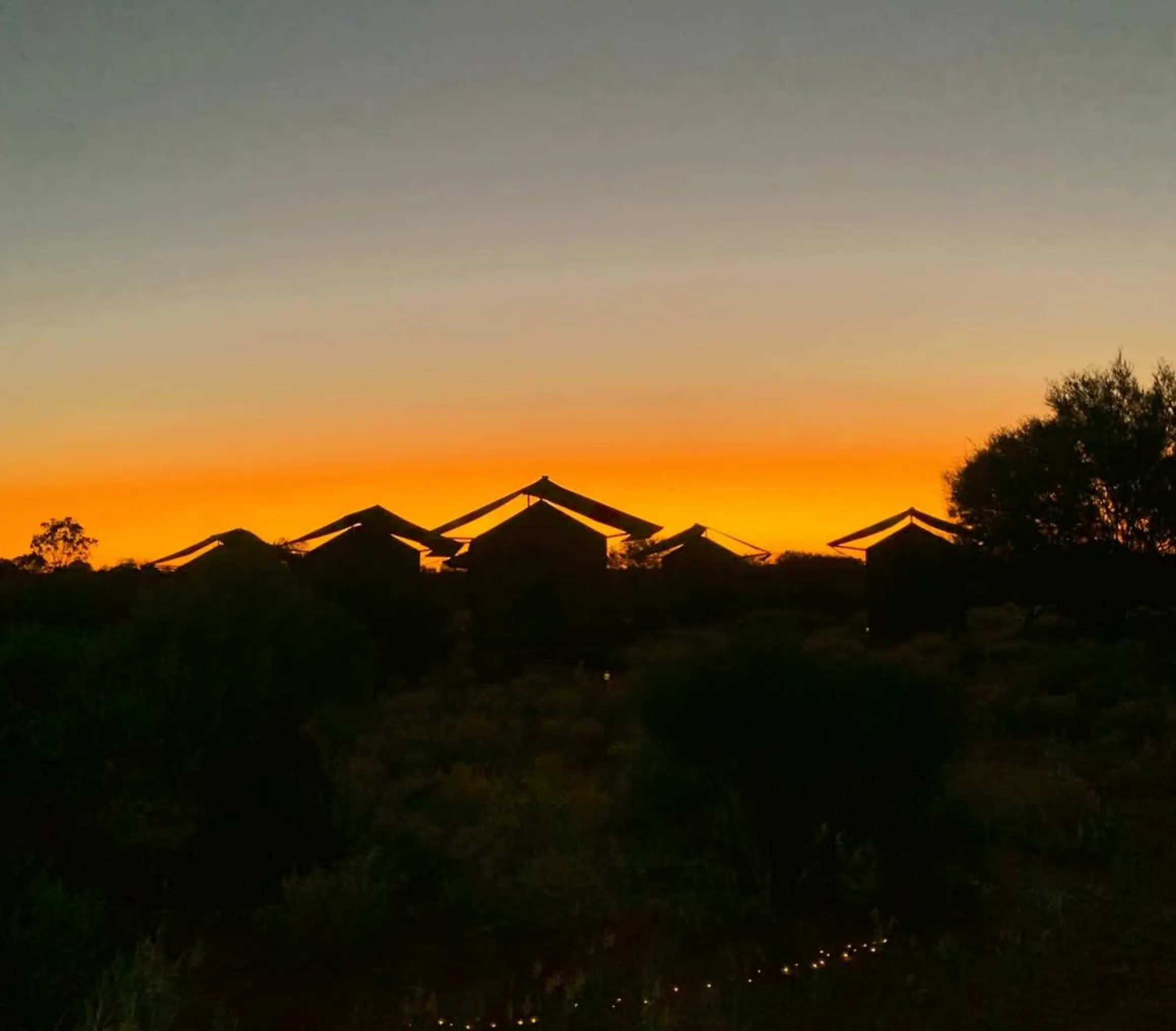
The Red Centre can be visited with nearby destinations such as the West MacDonnell Ranges and Alice Springs. These places have amazing scenery and adventure opportunities. For guided Uluru tours, Autopia Tours has Uluru Trips through the middle of Australia. Other nearby places to visit are Kings Canyon and Finke Gorge National Park where you can see the landscape that has been shaped over millions of years of erosion.
Best Time to Visit
The best time to visit the Red Centre depends on your preference. If you like cooler weather and comfortable walking conditions, Urrepentye (April to July) is the way to go. If you want to see the changes brought by rain, Alhwerrpa in March is amazing. The desert climate means temperatures can vary greatly from month to month, so check ahead to prepare for your trip. The dry season is the most stable for touring.
For a well-planned experience, consider a 2 day Uluru tour, which allows you to explore the region’s stunning landscapes and cultural sites with expert guidance. Knowing the seasonal changes, daytime temperatures, and natural habitats will help you make the most of your trip.
FAQ
When is the best time to visit Uluru?
The best time to visit is during the Cool Season (April to July) when daytime temperatures are warm and hiking and outdoor activities are comfortable. The dry season at this time means clear skies and perfect sightseeing conditions.
Is it safe to visit the Red Centre in the Hot Season?
Yes, but be prepared with water, sun protection and plan outdoor activities for early morning or late afternoon to avoid the hottest part of the day.
Does the Red Centre really get a rainy season?
Yes, although short, the Rainy Season (March) brings sudden heavy downpours that fill waterholes and turn the landscape green and bloom with wildflowers. The rain also supports the growth of food plants that feed local wildlife.
Are there cultural experiences available all year round in the Red Centre?
Yes, visitors can participate in Indigenous-led cultural Uluru tour, storytelling and art workshops all year round, regardless of the season. The natural environment and seasonal cycles are an important part of traditional knowledge.
What to pack?
It depends on the season, but must-haves are sun protection (hat, sunscreen, sunglasses), breathable clothing, good hiking shoes, water and warm layers for the cooler months. Wet season brings waterproof gear.