The Great Ocean Road is one of the most beautiful coastal drives in Australia with millions of visitors each year. Stretching over 240 km along Victoria’s rugged coast it’s got stunning landscapes, diverse wildlife and heaps of outdoor adventures. But travelers often ask: Are there dangerous animals on the Great Ocean Road?
Wildlife on the Great Ocean Road
The Great Ocean Road day tour is teeming with native Australian wildlife from koalas and kangaroos to native birds. But like many parts of Australia some animals can be dangerous. Here’s what you need to know:
1. Snakes
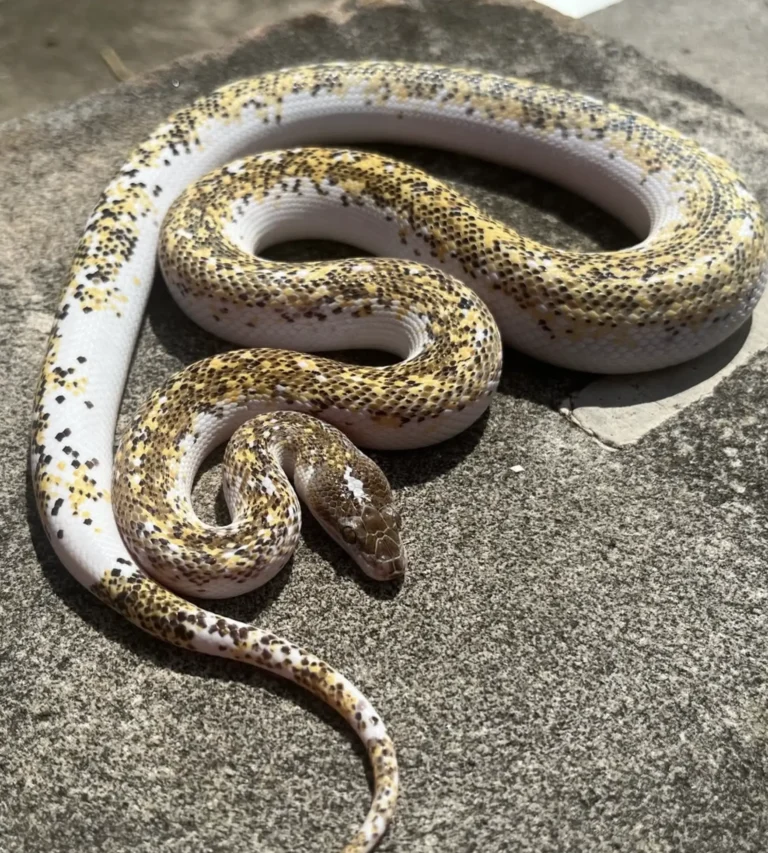
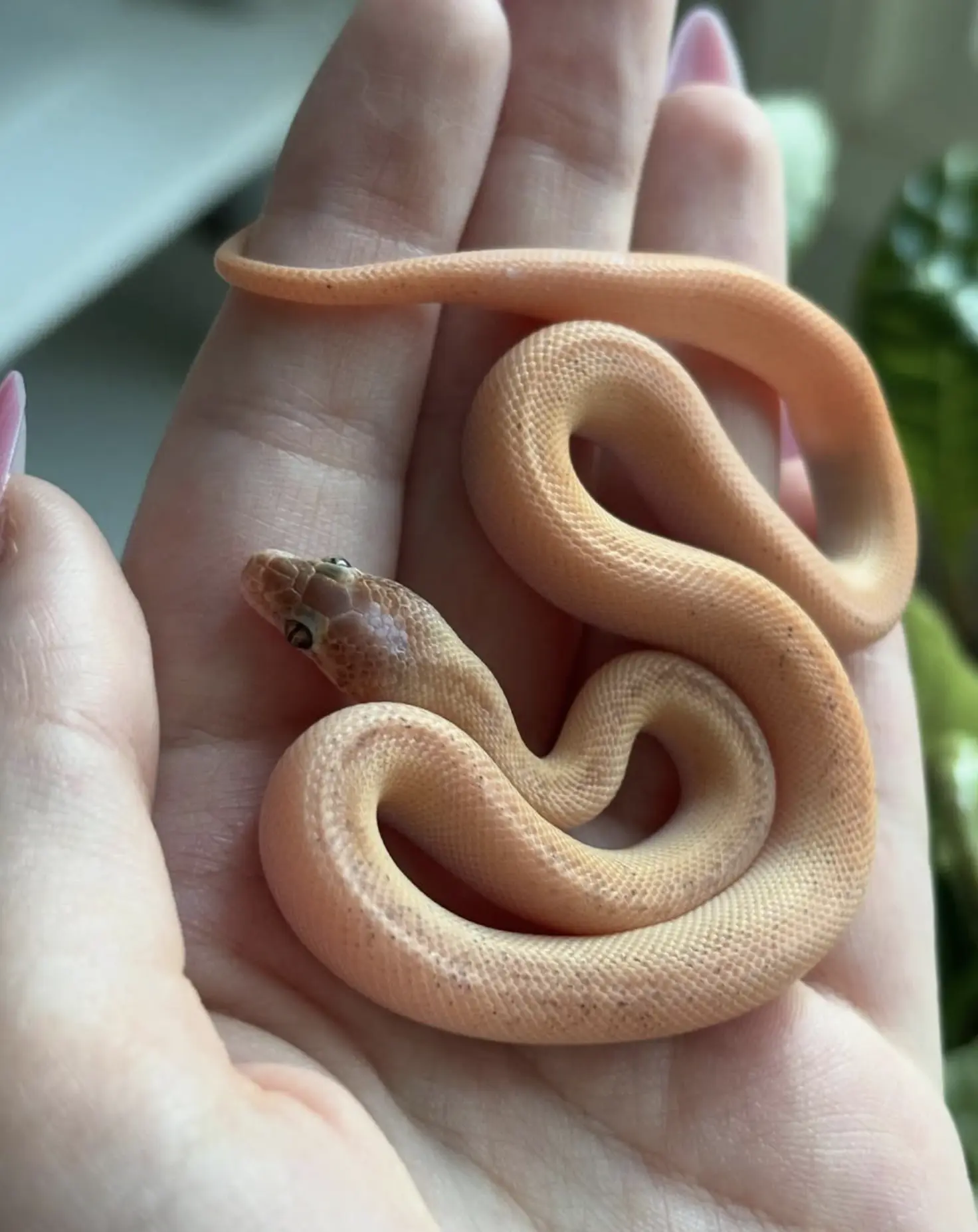
Australia is famous for its venomous snakes and some of them can be found along the Great Ocean Road. Here are the most common species:
- Tiger Snake – Highly venomous and often found near water sources and coastal bushland.
- Eastern Brown Snake – One of the most venomous snakes in Australia but rare if you stay on the trails.
- Copperhead Snake – Prefers cooler climates and is generally shy but still venomous.
- White-Lipped Snake – A smaller but still venomous species found in coastal heathlands.
- Austrelaps Superbus (Lowland Copperhead) – Found in dark brown or brown-to-black colours often in cooler regions.
Tips:
- Stay on the trails and avoid long grass or undergrowth.
- If you see a snake give it space and don’t move it.
- Wear closed toe shoes when hiking.
- Be aware of snake bites and seek medical attention if bitten.
2. Spiders
While venomous spiders exist bites are rare:
- Redback Spider – A relative of the black widow, venomous bite.
- White-Tailed Spider – Causes mild skin reactions but not life threatening.
- Funnel-Web Spiders – Rare in this area but deadly.
Tips:
- Shake out shoes and clothing if left outside overnight.
- Be cautious when reaching into dark or hidden spaces.
- Watch out for venomous spiders in campsites and accommodations.

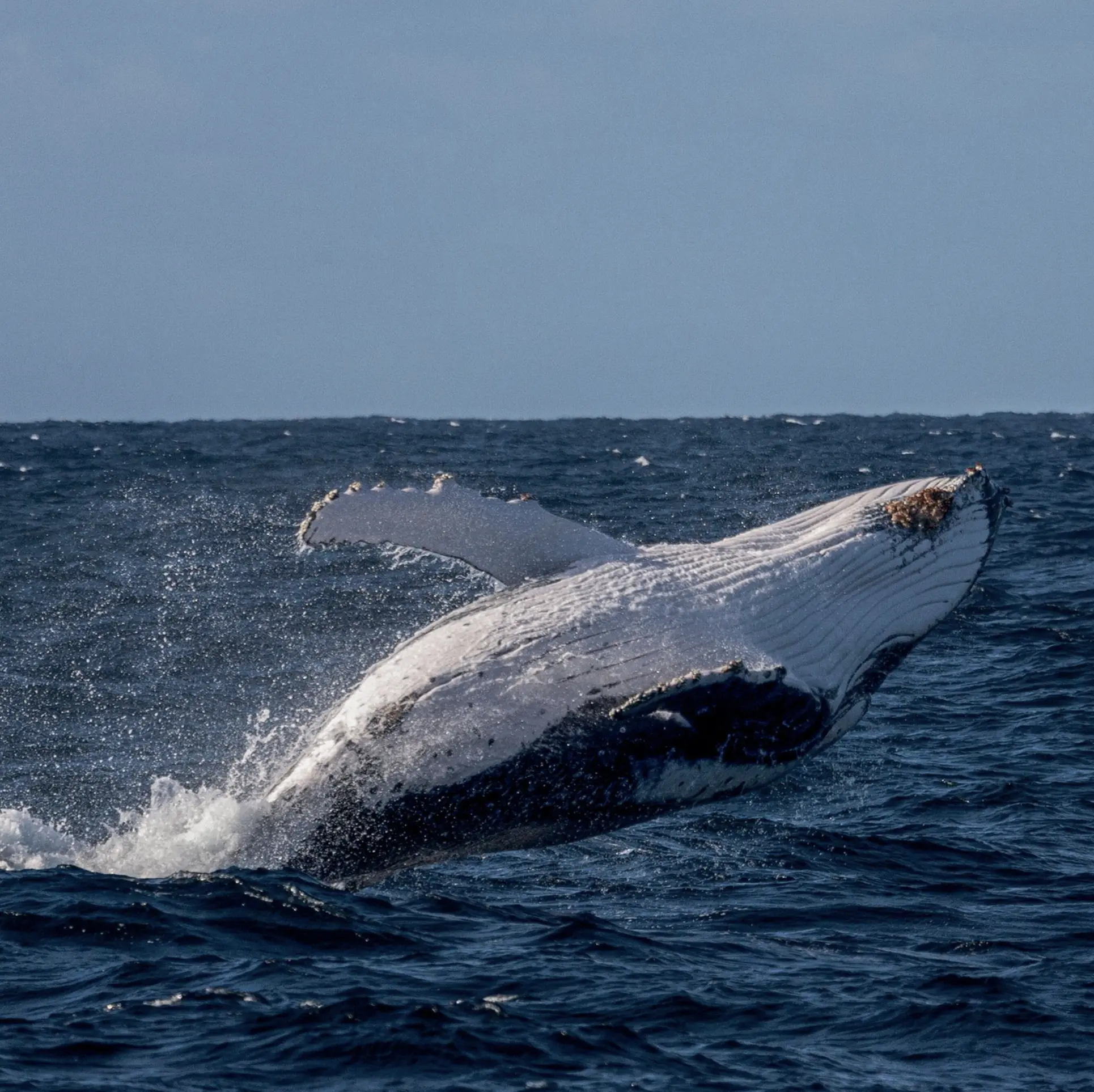
3. Marine Life
The Great Ocean Road has amazing marine life but a few can be dangers:
- Blue-Ringed Octopus – Small but deadly venomous; can be fatal.
- Box Jellyfish & Irukandji – Mostly found in northern Australia but can drift south during jellyfish season.
- Sharks – Southern Ocean has Great White Sharks.
- Saltwater Crocodiles & Freshwater Crocodiles – Mostly found in northern Australia, but always check warning signs.
Safety Tips:
- Swim at patrolled beaches and check warning signs.
- Don’t touch marine life in rock pools.
- Be aware of shark attacks and don’t swim alone in deep water.
4. Kangaroos and Other Road Hazards
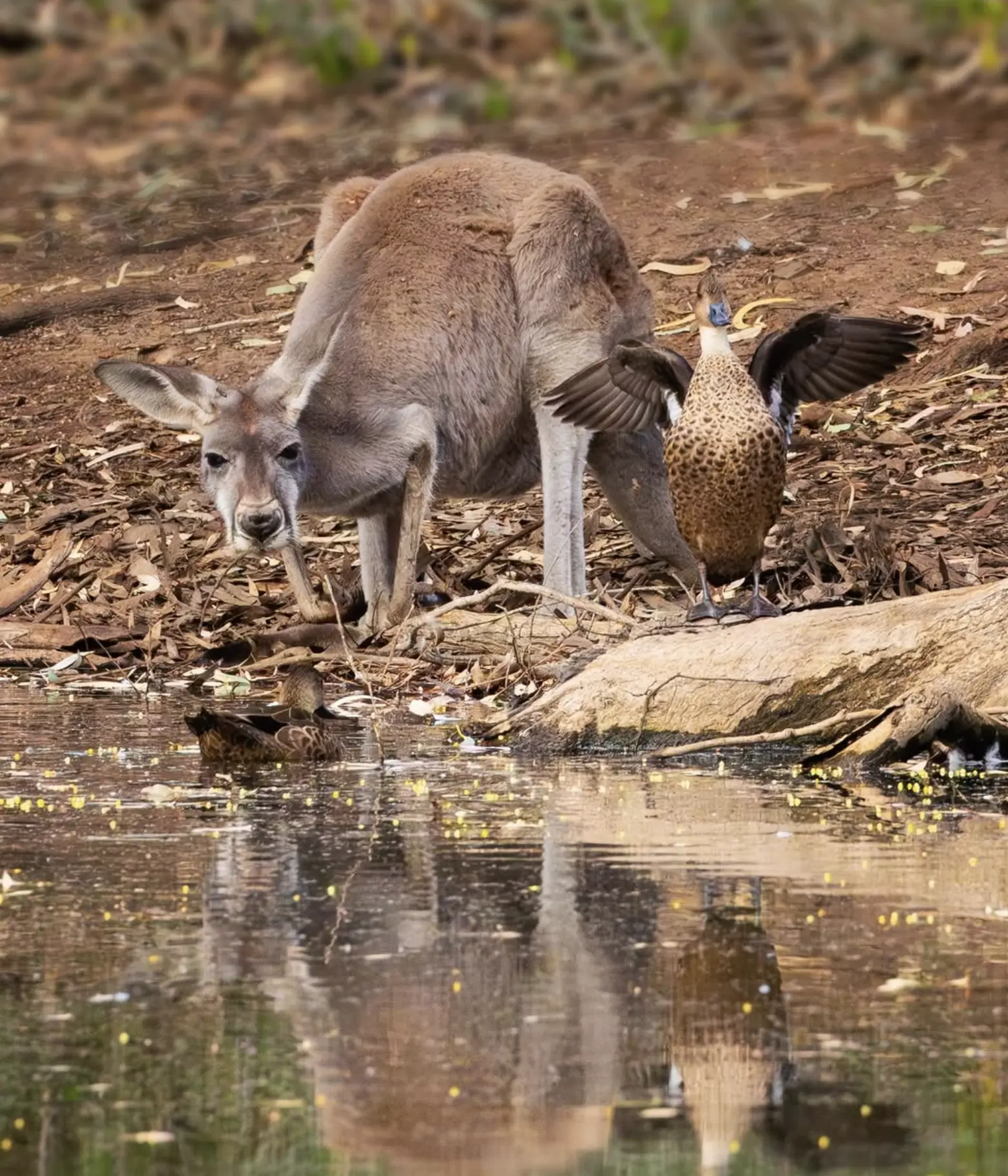
Kangaroos and wallabies are not dangerous by themselves but can be a problem for drivers, especially at dawn and dusk. Wombats, echidnas and feral animals can suddenly cross the road and cause accidents.
Tips:
- Drive carefully in wildlife areas.
- Slow down at night or early morning.
- Be aware of wildlife near roadsides, especially in Otway National Park and Port Campbell National Park.
5. Native Birds and Other Animals
The Great Ocean Road has:
- Hooded Plovers – Rare birds found on Johanna Beach and Milanesia Beach.
- Crimson Rosellas – Common in eucalyptus forests and national parks.
- Wildlife in Otway Forest Park – Bimbi Park and Wildlife Sanctuary are great places to see native animals.
6. Weather and Environmental Factors
Coastal weather can bring strong winds, cold weather and unpredictable conditions. During warm weather some animals may be more active.
Tips:
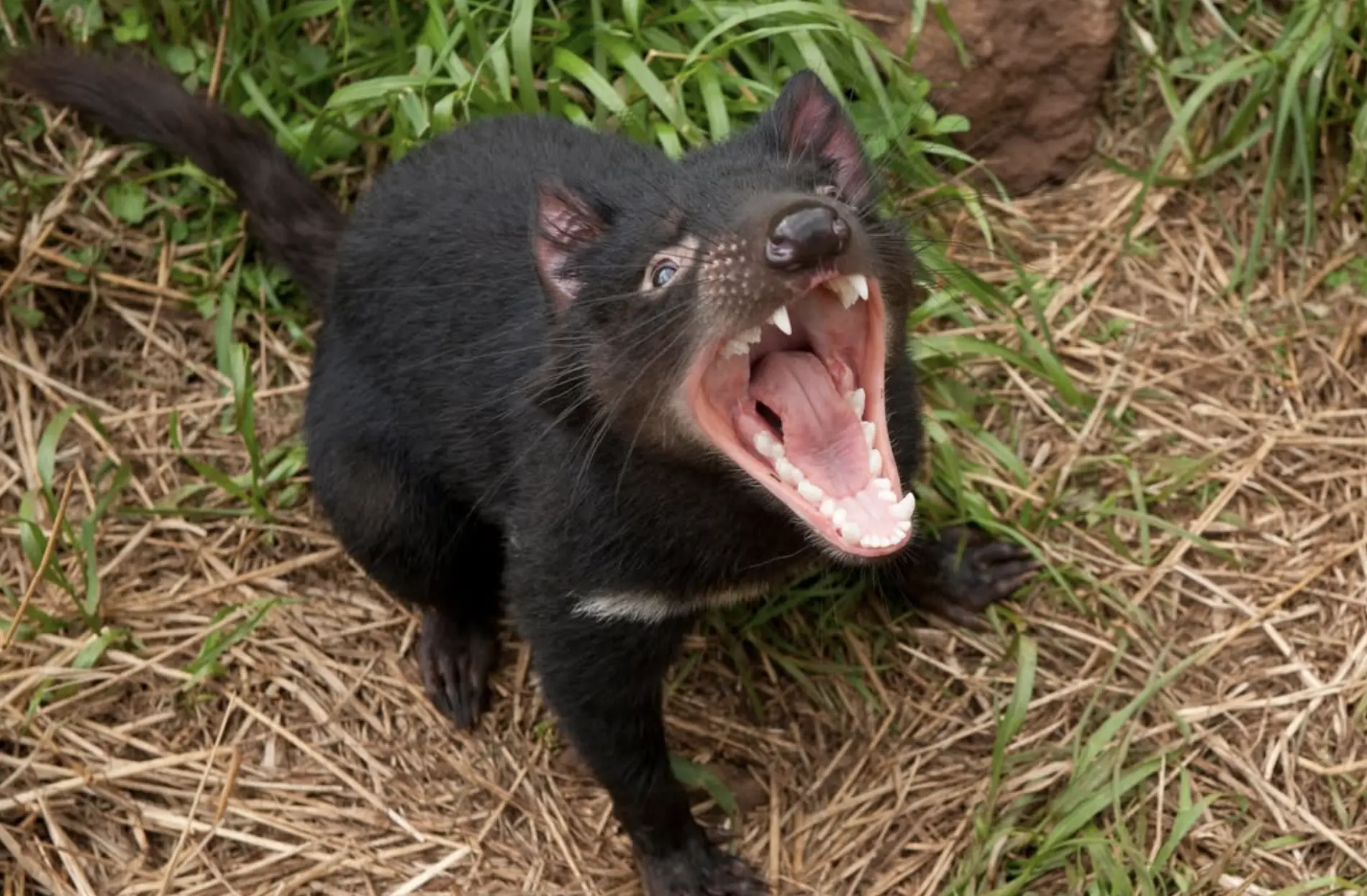
- Be careful of sharp teeth in wild animals.
- Check public transport schedules if roads are closed.
- Watch for environmental impacts like flooding at Aire River West Campground or creek crossings.
Should You Be Worried?
While there are some deadly animals along the Great Ocean Road, encounters are rare. Just follow basic safety rules and respect the natural beauty of the area and you’ll be right as rain.
With its beautiful beaches, Surf Coast scenery and amazing spots like Twelve Apostles, Cape Otway Lightstation, Port Campbell and Blanket Bay, this drive is one of the most scenic in Australia.
So pack your bags, go to a licensed tour operator like Wildlife Tours for Great Ocean Road Tour 2 days and see the whole world’s unique Aussie animals – just keep an eye out for the wildlife along the way!
FAQ
Are there deadly animals along the Great Ocean Road?
Yes there are some deadly animals including venomous snakes, sharks and certain spiders but if you follow the safety rules encounters are rare. Book 2 day Great Ocean Road tour to visit most attractions with experinced guides and complete safety.
What do I do if I get bitten by a snake?
If bitten stay calm, immobilize the limb and seek medical help immediately. Do not try to suck out the venom or wash the wound.
Can I swim safely in the ocean along the Great Ocean Road?
Yes but always swim at patrolled beaches, obey warning signs and be aware of marine animals like sharks and jellyfish.
Where can I see native wildlife safely?
Great places to see native animals are Bimbi Park, Wildlife Sanctuary and Otway National Park where you can see them in their natural habitat.
Are saltwater crocodiles found along the Great Ocean Road?
No, saltwater crocodiles are mainly found in northern Australia. The Great Ocean Road is not a habitat for them.