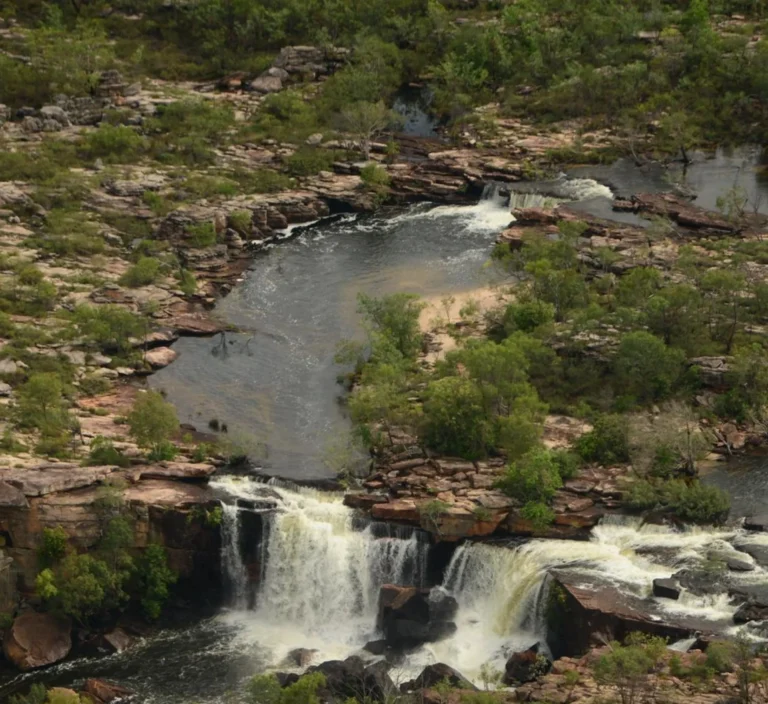
Kakadu National Park, one of Australia’s most beautiful natural wonders, is co-managed by Parks Australia and the Bininj/Mungguy traditional owners. This co-management approach ensures the natural and cultural values of the park are protected. As a UNESCO World Heritage site, Kakadu is famous for its heritage values, rock art and diverse ecosystems. Visitors must follow the rules to protect its cultural significance and ecological integrity.
Nearby attractions like Nitmiluk Gorge, Arnhem Land and Litchfield National Park offer similar experiences. Many people opt for packages that combine Kakadu with these destinations. If you’re looking for a guided tour, Wayoutback Tours has itineraries that meet the park’s cultural and environmental expectations.
If you’re coming from the Top End, there are Darwin to Kakadu tours that offer multi-day itineraries that include cultural stops, scenic lookouts and wildlife encounters. You can also find day trips or extended Kakadu tours with expert guides and visits to sacred sites.
Contents
- 1 Entry Requirements and Permits
- 2 Respect for Traditional Owners and Culture
- 3 Environmental Protection
- 4 Safety and Wildlife Regulations
- 5 Camping, Hygiene and Visitor Facilities
- 6 Drone Use and Photography
- 7 Alcohol, Pets and Commercial Activity
- 8 Day Management and Visitor Responsibility
- 9 Add Cultural Insight to Your Experience
- 10 FAQ
Entry Requirements and Permits
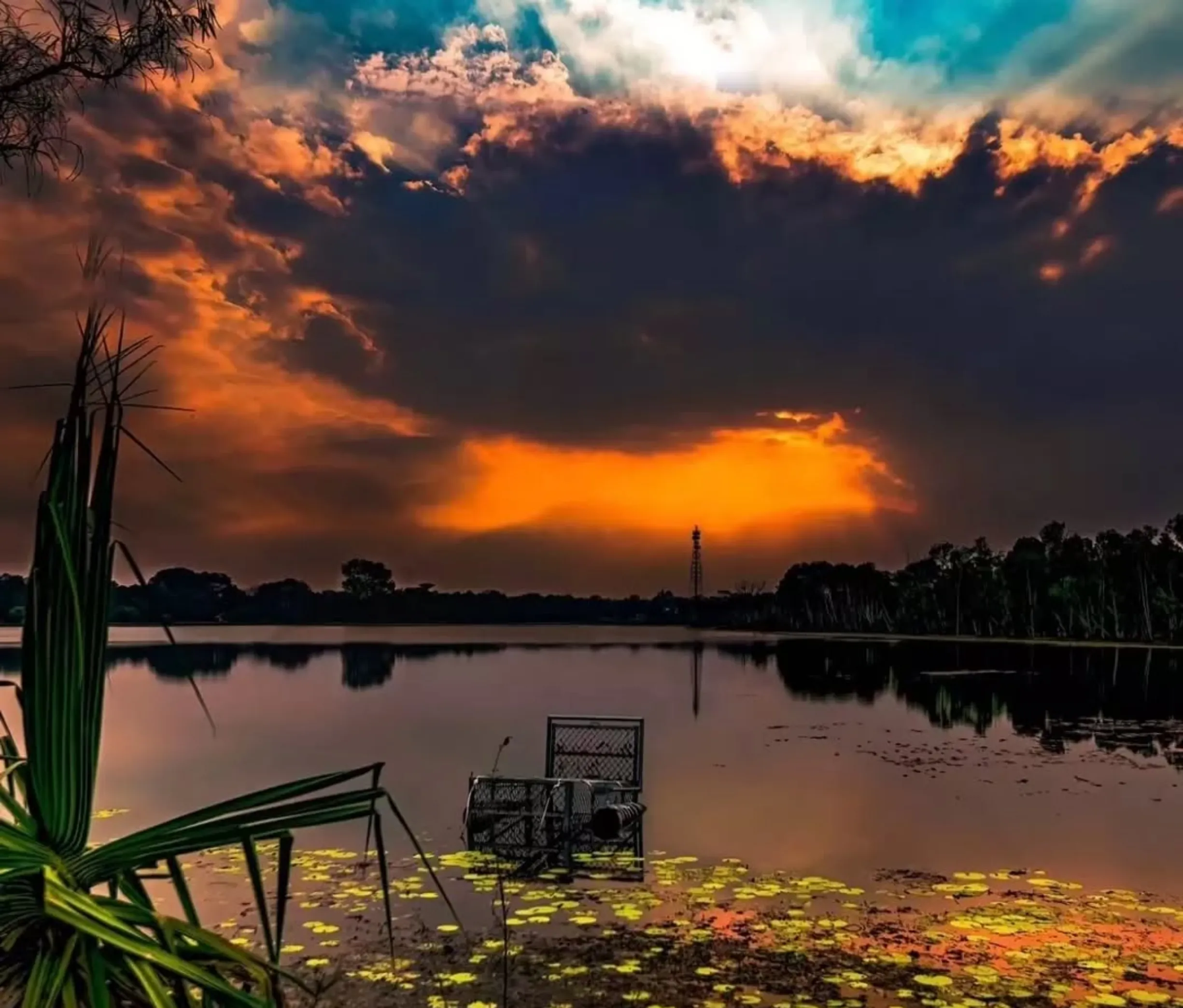
All visitors must purchase a Kakadu Park Pass online or at entry points. This pass helps fund the park’s plan of management and services. Permit applications may be required for commercial tours, boat landings or professional filming. Always read your permit conditions carefully and allow reasonable time for processing. Permit fees and rules may change from time to time, so always check with park staff or official resources before visiting.
Respect for Traditional Owners and Culture
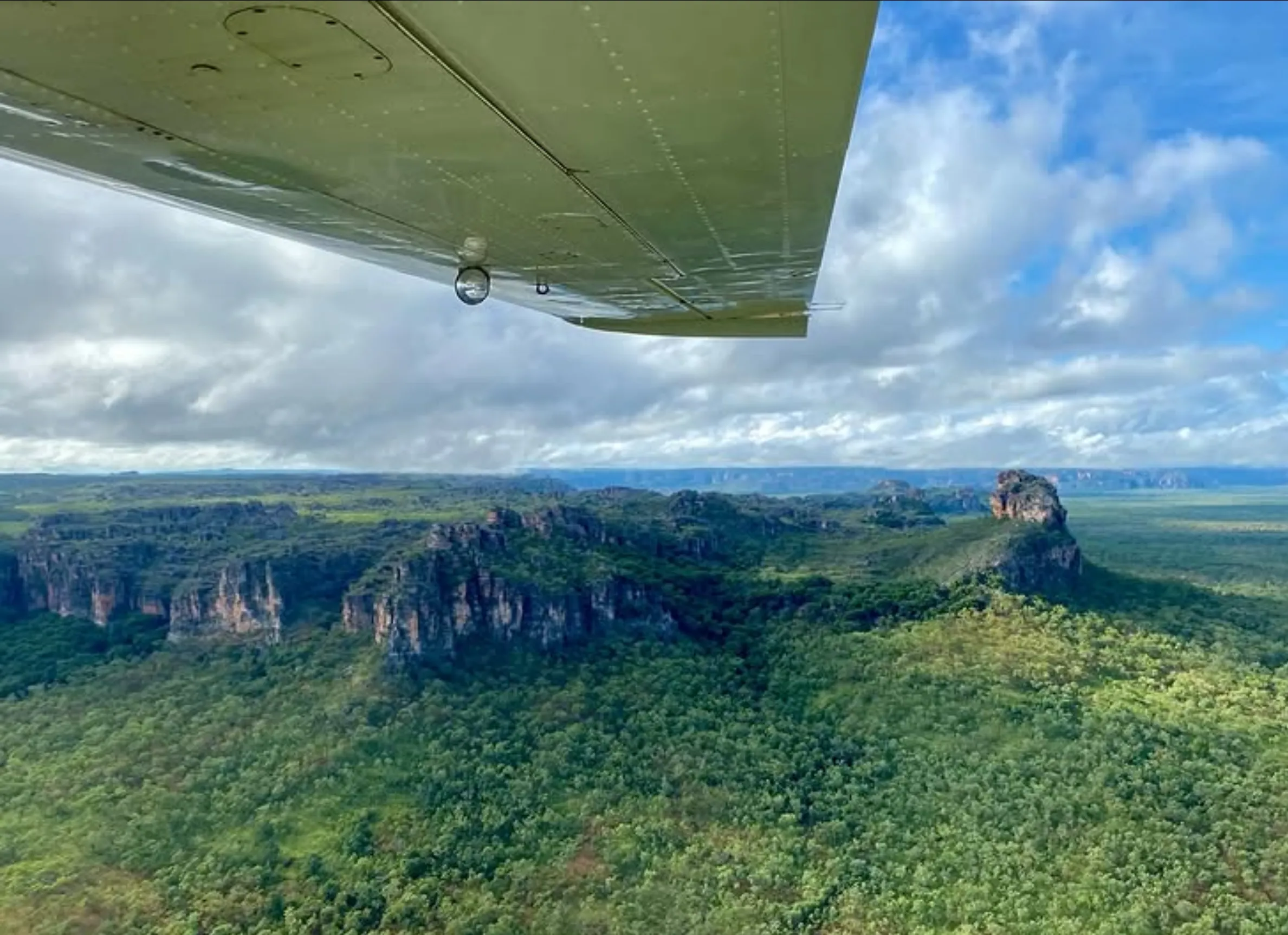
The Bininj/Mungguy Indigenous people have been connected to this land for tens of thousands of years. As a visitor, taking reasonable steps to respect their culture is important:
- Don’t climb on or touch rock art or cultural artefact sites which may be sacred
- Respect signage that restricts access or photography, especially near burial or ceremonial sites
- Participate in educational sessions at cultural centres to learn about Indigenous storytelling and examples of contact between communities
- Observe and respect community standards even if they differ from broader societal norms
Environmental Protection
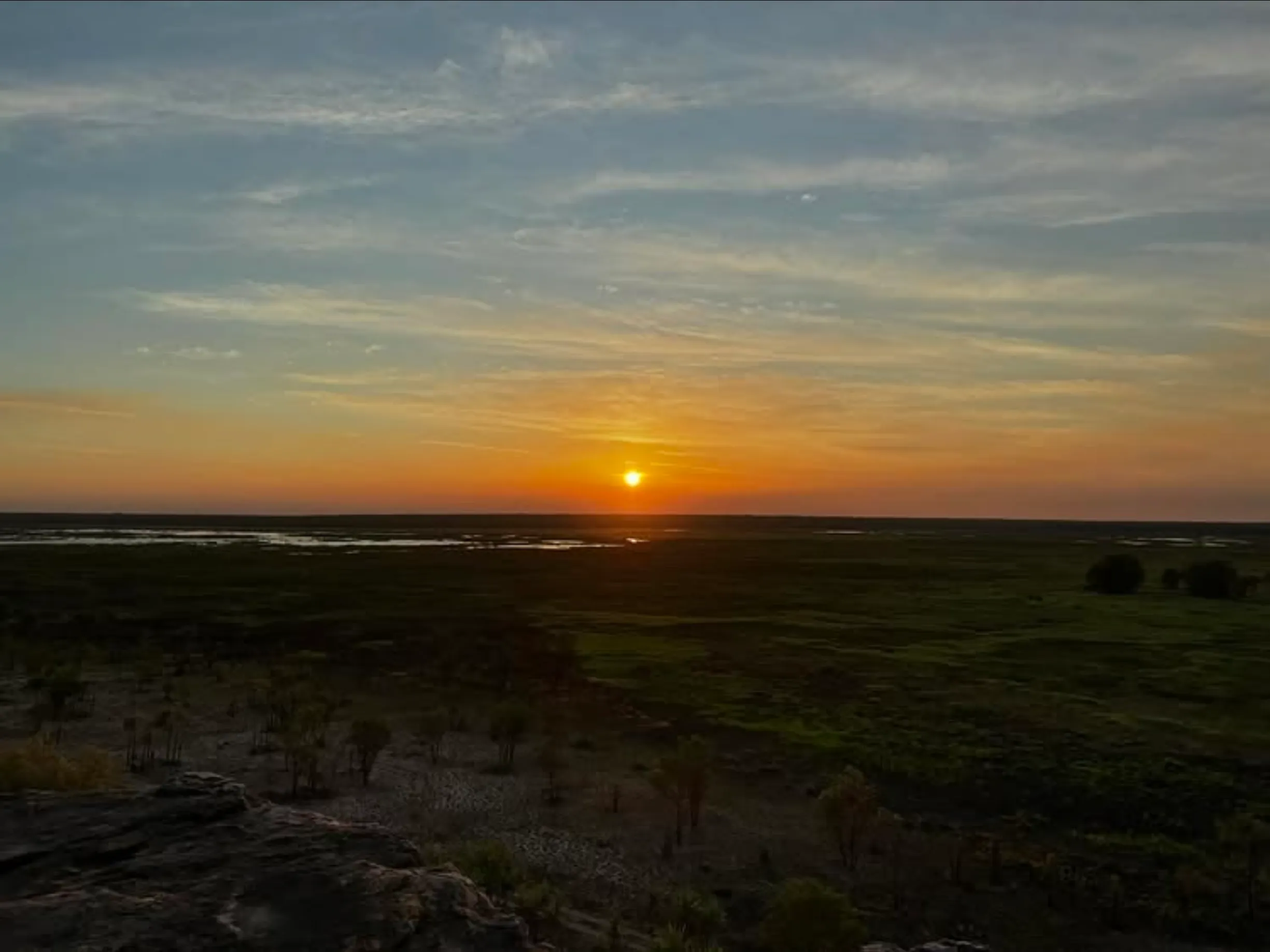
Kakadu’s environment is a delicate balance of tropical conditions, seasonal changes and ancient biodiversity. Look after it by:
- Staying on marked tracks to avoid damaging vegetation like the centre of trees and sacred plants
- Not feeding or disturbing native animals which are an important part of the park’s ecosystem
- Taking all rubbish, including biodegradable items
- Bring at least one litre of water per hour of walking in remote or hot areas
- Only using fires in fireplaces provided in designated campsites during the dry season
- Using biodegradable soap at least 50 metres from any water source
Safety and Wildlife Regulations
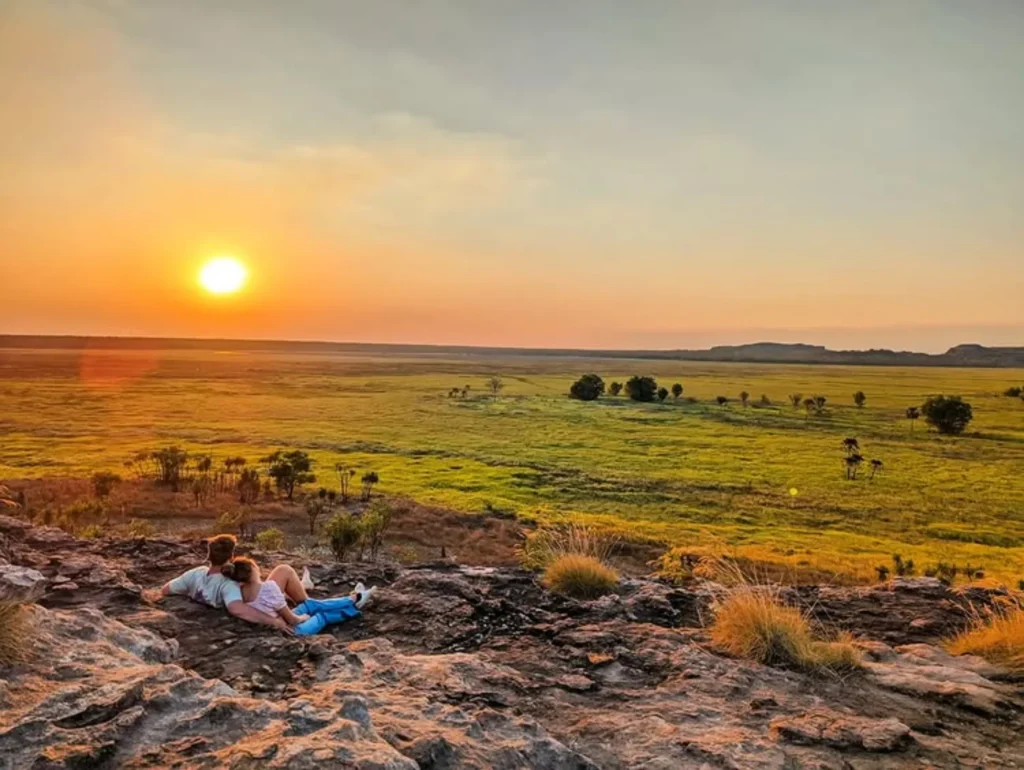
The park is home to some of Australia’s most deadly wildlife and rugged terrain:
- Swimming is only permitted in signposted natural pools and deep pools, depending on the season
- During the wet season, flooding and fast currents make many areas unsafe
- Regulatory signs warn of saltwater crocodile zones. Ignoring them can result in serious injury or death
- Crocodile hunting is illegal and heavy fines apply to any attempt to harm or harass these protected animals
- Tell someone of your travel plans before heading into remote areas
- Carry a radio alarm if camping in isolated areas to contact emergency services
If you want to see these amazing reptiles in their natural habitat, crocodile tours in Darwin offer safe and educational encounters with local guides.
Camping, Hygiene and Visitor Facilities
Whether you’re camping in a basic bush camp or a managed campsite, follow these rules:
- Camp only in designated areas and follow all signs
- Pay shower fees where required and don’t overuse water in dry months
- Prepare for varying trail difficulty and match your route to your fitness level
- Bring enough non-perishable food and clean drinking water
- Many sites don’t have waste disposal; pack it in, pack it out
Drone Use and Photography
To protect wildlife and cultural heritage, drone use is heavily restricted:
- Recreational drones are banned without prior permit applications
- Professional drones may be allowed with strict permit conditions
- Photography may be prohibited in culturally sensitive areas or sacred sites
- Always follow park staff instructions and regulatory signs
Alcohol, Pets and Commercial Activity
Community well-being is the top priority:
- Pets are not allowed to prevent wildlife disturbance and cultural disrespect
- Alcohol is restricted or prohibited in certain areas, especially near Indigenous communities
- Commercial entities conducting tours must be accredited and follow guidelines
Day Management and Visitor Responsibility
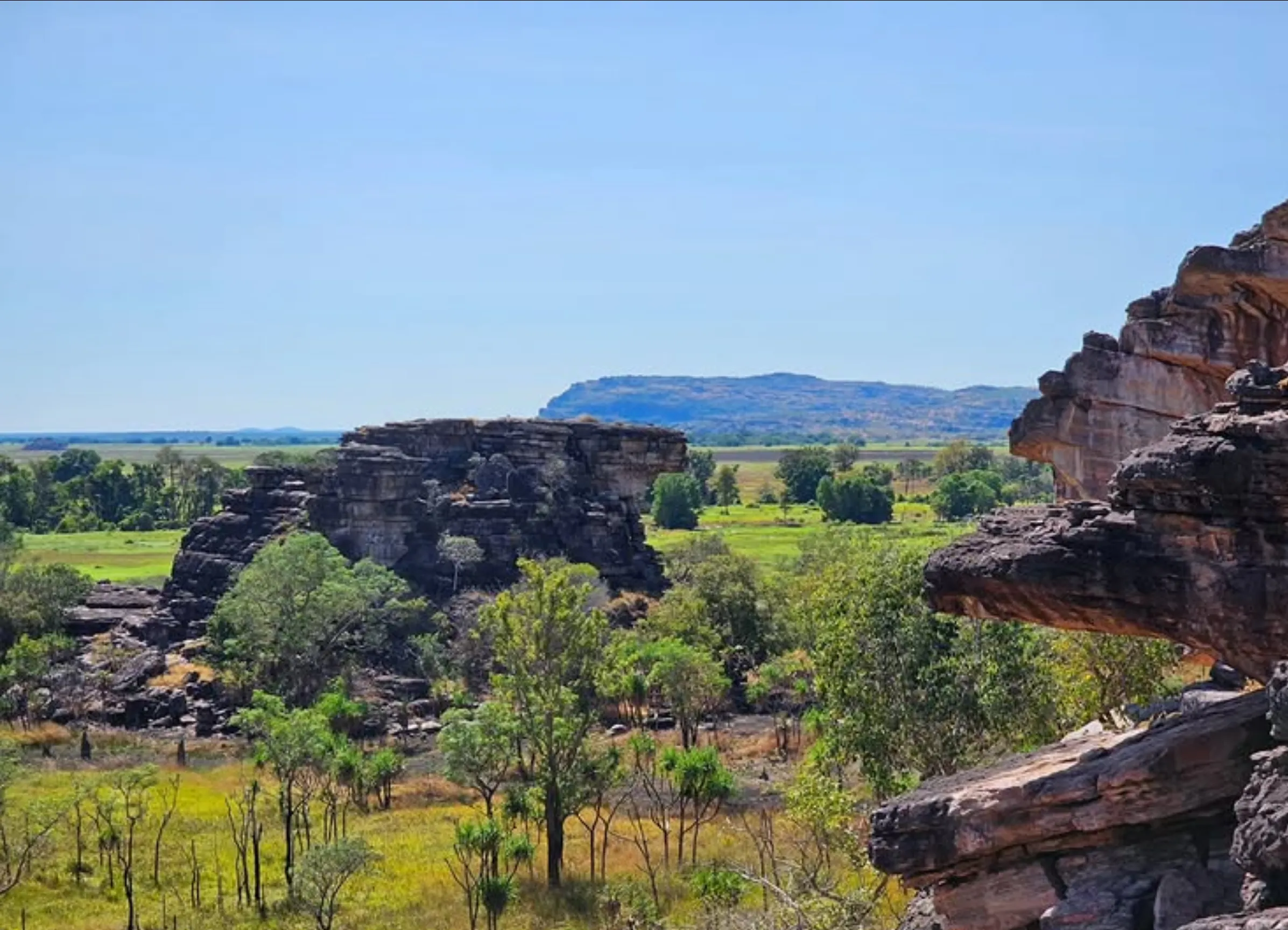
Day management helps balance conservation with visitor enjoyment:
- Take practical steps to minimise noise, waste and movement in sensitive areas
- Be prepared to adjust your plans as rules change from time to time
- Respect park staff who are there not just to enforce but to educate and protect
- Understand that access may be denied or changed without notice to protect the heritage and natural values of the park
Add Cultural Insight to Your Experience
Take the opportunity to gain more depth:
- Visit cultural centres to hear stories and history from Indigenous people
- Learn about ancient trade routes, burial grounds and the meaning behind rock art
- Attend talks on grammatical forms of Aboriginal languages and their role in cultural significance
Whether you’re self-guided or through one of our guided tours Kakadu for various interests and fitness levels, knowing and respecting the rules ensures a safe, enjoyable and responsible experience.
FAQ
Do I need a permit to get into Kakadu National Park?
Yes, you need a Kakadu Park Pass. Additional permits are required for filming, boat landing or commercial tours.
Can I swim in Kakadu’s rivers and waterholes?
Swimming is allowed in designated natural pools and deep pools. Don’t swim during the wet season as there are crocodiles and strong currents.
Are there areas where I can’t take photos?
Yes, at cultural heritage or cultural artefact sites. Always follow the signs and the park staff.
Can I use a drone in Kakadu National Park?
No, without a permit. This is to protect the cultural significance, natural values and safety of the park.
Can I bring my pet into Kakadu National Park?
No, pets are not allowed in the park to protect wildlife and community standards and cultural values.